Carleton College: A Complete Guide to Its History, Academics, Campus Life, Admissions, and Student Experience
Introduction
Carleton College is a private liberal arts college in Northfield, Minnesota, United States. Founded in the nineteenth century, the college has developed a distinctive academic and residential culture centered on close faculty-student relationships, intellectual exploration, interdisciplinary learning, and active participation in campus life.
Unlike large research universities, Carleton operates within the liberal arts tradition. This means that students are encouraged to develop broad knowledge while also pursuing deeper study in a particular academic discipline. The college’s educational philosophy emphasizes critical thinking, writing, discussion, research, creativity, collaboration, and the ability to approach complex questions from multiple perspectives.
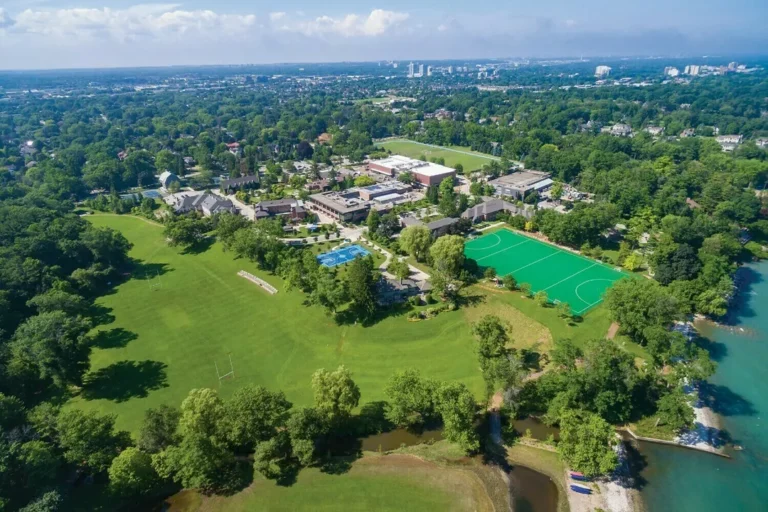
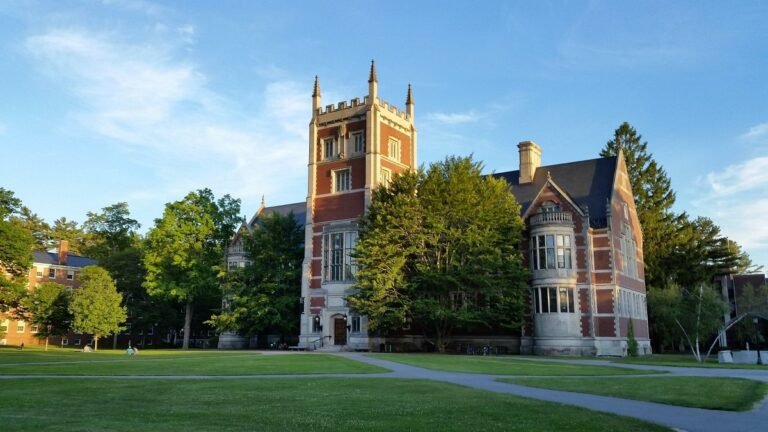
Carleton’s location in Northfield gives students a college-town environment while keeping them within reach of the larger Minneapolis–Saint Paul metropolitan area. The campus combines historic architecture, modern academic spaces, residential facilities, athletic areas, natural landscapes, and the college’s famous arboretum.
For students researching colleges in the United States, Carleton is particularly interesting because of its liberal arts model. The institution provides an example of how a relatively small college can offer extensive academic opportunities while maintaining a highly residential and community-oriented environment.
This article explores the history of Carleton College, its academic programs, campus, student life, admissions process, financial considerations, athletics, traditions, environmental initiatives, and the characteristics that have shaped its identity over time.
1. The Founding of Carleton College
The history of Carleton College begins in the nineteenth century, when educational institutions were being established across the expanding United States.
The college was founded in 1866 as Northfield College. Its establishment reflected the growing interest in higher education and the desire of religious and civic communities to create institutions that would provide students with academic and moral education.
The institution later became known as Carleton College. The name honors William Carleton, a benefactor whose financial contribution supported the developing institution.
From its early years, Carleton gradually established itself as a liberal arts college. Rather than becoming a narrowly specialized school, it developed a broad curriculum intended to educate students across the humanities, sciences, and social sciences.
The nineteenth century was a period of considerable change in American higher education. Colleges were expanding their curricula, developing new professional standards, and responding to changing social and economic conditions. Carleton’s evolution took place within this larger transformation.
2. Early Development
Carleton’s early history involved the gradual construction of an academic community in Northfield.
Like many colleges founded during this period, the institution initially had limited resources. Buildings, faculty, financial support, student enrollment, and educational programs had to be developed over time.
The college’s location in Northfield became an important part of its identity. Northfield provided a relatively small community in which students could live and study while participating in a traditional residential college environment.
As enrollment expanded, Carleton added academic departments and improved its physical facilities. Over generations, these developments transformed the institution from a small nineteenth-century college into a nationally recognized liberal arts institution.
The college’s history also reflects broader changes in American society, including the expansion of educational opportunities for women, increasing diversity in higher education, changing approaches to scientific education, and the growing importance of interdisciplinary scholarship.
3. Carleton and the Liberal Arts Tradition
To understand Carleton, it is important to understand the liberal arts model.
A liberal arts education is designed to give students a broad intellectual foundation. Instead of focusing exclusively on vocational preparation, students study different areas of knowledge and develop transferable skills.
At Carleton, students may encounter subjects ranging from literature and philosophy to biology, economics, computer science, physics, psychology, political science, languages, mathematics, art, and music.
The goal is not simply to memorize information. Students are expected to ask questions, evaluate evidence, communicate arguments, conduct research, and connect ideas across disciplines.
This approach can be especially valuable in a rapidly changing world. Careers and technologies can change considerably over a person’s lifetime, while skills such as analytical reasoning, communication, research, adaptability, and collaboration can remain useful across many professional fields.
4. Academic Life at Carleton College
Academic life is one of the central elements of the Carleton experience.
The college offers undergraduate education across a wide range of disciplines. Students can explore subjects before deciding on a major and can often combine interests from different fields.
Classroom learning is generally complemented by discussion, laboratory work, research, writing, presentations, creative projects, and other forms of active learning.
Because Carleton is a small liberal arts college, students often have opportunities to interact closely with professors. Faculty members can play roles beyond classroom instruction, including academic advising, research supervision, mentorship, and participation in campus organizations.
The academic environment encourages students to take intellectual risks. A student studying economics, for example, may become interested in environmental policy. A biology student may explore public health or ethics. A computer science student may combine technology with mathematics, economics, or the arts.
Such interdisciplinary connections are a significant part of liberal arts education.
5. Major Fields of Study
Carleton provides students with numerous areas of academic study.
Humanities
The humanities include disciplines concerned with human culture, expression, history, language, literature, philosophy, religion, and the arts.
Students may explore questions such as:
- How have societies changed over time?
- How does literature reflect social values?
- How do languages influence communication?
- What makes an ethical decision?
- How does art shape cultural identity?
Humanities courses often emphasize reading, writing, interpretation, discussion, and argumentation.
Social Sciences
The social sciences examine individuals, communities, institutions, economies, political systems, and social behavior.
Students can study areas such as economics, sociology, psychology, political science, anthropology, and related disciplines.
Social science education can help students understand complicated issues by examining evidence and competing explanations.
Natural Sciences
Carleton’s scientific disciplines include fields such as biology, chemistry, physics, geology, and related subjects.
Laboratory learning and research can be important components of science education. Students may have opportunities to participate in research projects and gain experience with scientific methods.
Mathematics and Computer Science
Mathematics provides tools for logical reasoning, modeling, statistics, and quantitative analysis.
Computer science adds programming, algorithms, computation, data, software, and technological problem-solving.
The combination of mathematical and computational thinking can prepare students for a wide variety of academic and professional paths.
Arts
The arts are also an important part of a liberal arts environment.
Students may engage in music, theater, visual arts, dance, studio work, performance, and related creative activities.
These opportunities allow students to develop creativity and communication skills while contributing to the cultural life of the campus.
6. Interdisciplinary Education
One of the strengths of a liberal arts college is the ability to cross traditional academic boundaries.
Many important real-world problems do not belong to a single academic department.
Climate change, for example, involves biology, chemistry, economics, political science, geography, ethics, technology, and public policy.
Similarly, artificial intelligence can be studied from the perspectives of computer science, philosophy, economics, sociology, law, and communications.
Carleton’s academic culture provides opportunities for students to make these connections.
Interdisciplinary education encourages students to think beyond the boundaries of a major and recognize that complicated questions often require multiple perspectives.
7. Faculty-Student Relationships
Faculty interaction is an important part of the Carleton experience.
At a small college, students generally have greater opportunities for direct communication with professors than they might in very large lecture-based institutions.
Professors can provide feedback on writing, discuss research questions, recommend books and resources, advise students about academic decisions, and help students explore future opportunities.
These relationships can continue outside formal class meetings.
For students who value mentorship and discussion, a close faculty community can be an important part of undergraduate education.
8. Research Opportunities
Research is not limited to graduate students at a liberal arts institution.
Undergraduate students can participate in faculty-led research, independent projects, laboratory work, field studies, archival research, and other forms of scholarly activity.
Research teaches students how to formulate questions, collect evidence, analyze information, deal with uncertainty, and communicate findings.
These experiences can also be valuable for students considering graduate school, professional education, scientific careers, public policy, journalism, technology, business, or other fields.
9. The Carleton Campus
Carleton’s campus is located in Northfield, Minnesota.
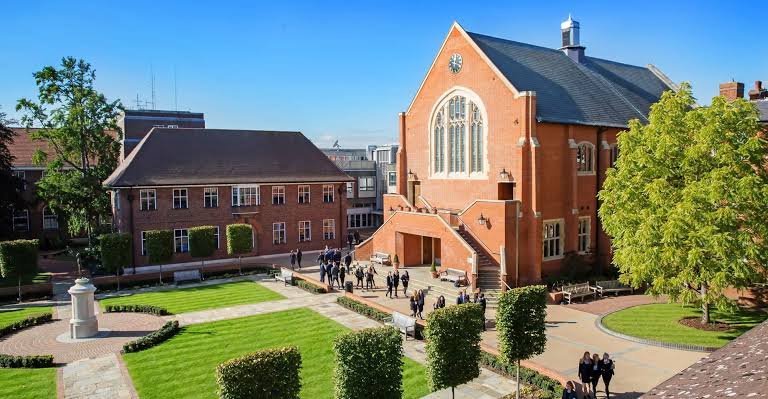
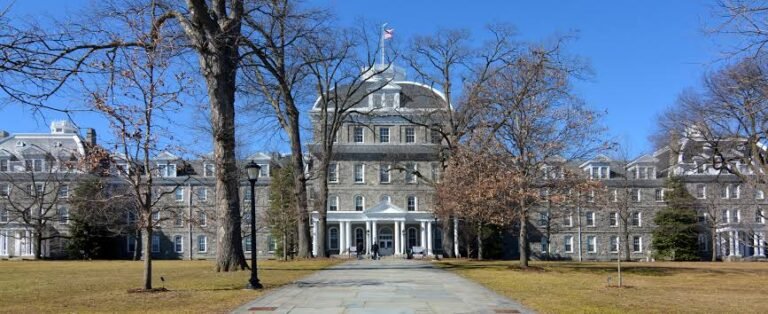
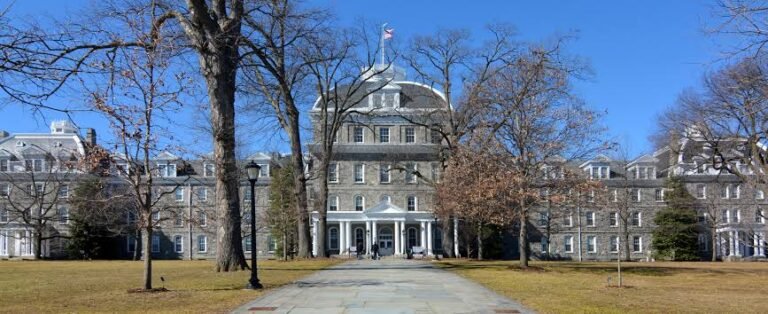
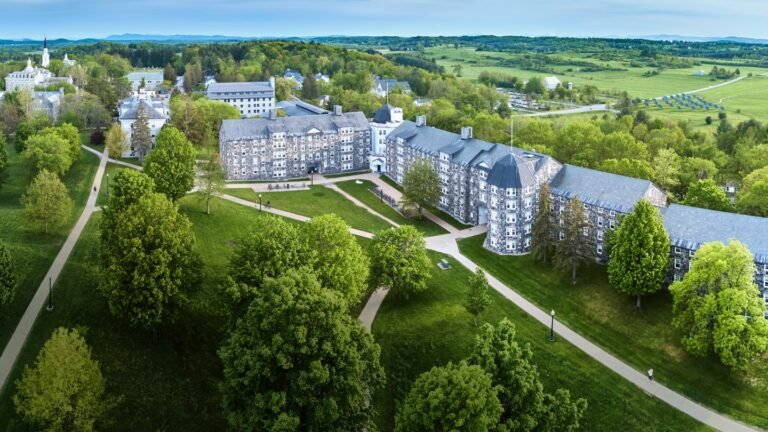
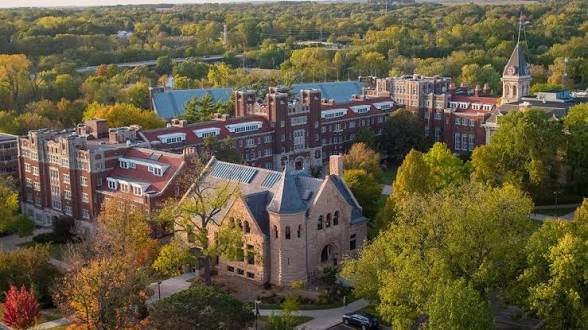
The campus combines traditional collegiate architecture with modern facilities.
Academic buildings provide classrooms, laboratories, studios, libraries, offices, and spaces for collaborative work.
Residential buildings form another major component of the campus because Carleton is a residential college.
Students live, study, socialize, eat, exercise, participate in clubs, attend performances, and take part in campus events within the broader college environment.
The physical design of a residential campus can contribute significantly to community life because students frequently encounter classmates and professors in shared spaces.
10. Carleton’s Arboretum
One of Carleton’s distinctive features is its arboretum.
The Cowling Arboretum provides a large natural landscape associated with the college. It includes areas of prairie, woodland, trails, and other ecosystems.
The arboretum serves several purposes.
It provides recreational opportunities for students and community members, supports environmental education, and offers an outdoor setting for scientific observation and research.
Students can walk, run, explore nature, conduct field studies, and enjoy outdoor spaces.
The arboretum also contributes to the college’s environmental identity and provides a physical connection between academic life and the natural world.
11. Student Housing and Residential Life
Residential life is central to the Carleton experience.
Students live in campus housing and share daily experiences with people from different backgrounds and academic interests.
Residence halls can become communities in themselves, with students organizing activities, studying together, eating together, and developing friendships.
Living on campus can also encourage participation in student organizations and events.
Residential education is not simply about providing accommodation. It can contribute to students’ social development, independence, communication skills, and understanding of people with different experiences.
12. Dining and Community
Food and dining are important parts of residential college life.
Students use dining facilities not only for meals but also as informal social spaces.
A dining hall can become a place where students discuss classes, meet friends, organize activities, celebrate events, and take breaks from academic work.
Campus dining also has connections to broader conversations about sustainability, nutrition, food sourcing, waste reduction, and community responsibility.
13. Student Organizations
Carleton students can participate in a wide variety of organizations.
Student activities may include:
- Academic clubs
- Cultural organizations
- Music groups
- Theater
- Student media
- Political discussion groups
- Community service
- Environmental organizations
- Entrepreneurship
- Outdoor activities
- Religious and philosophical organizations
- Arts groups
- Athletic clubs
- Special-interest societies
These organizations allow students to develop leadership and teamwork skills outside the classroom.
14. Athletics at Carleton
Athletics form another part of campus life.
Carleton competes in NCAA Division III athletics, where the emphasis is generally placed on balancing competitive sports with academic and student life.
Students can participate in intercollegiate teams and recreational activities.
Sports can create strong communities because teammates spend significant time training, competing, traveling, and supporting one another.
Carleton also has opportunities for students who enjoy physical activity without participating in varsity athletics.
15. Outdoor Recreation
Minnesota’s natural environment provides opportunities for outdoor activities.
Students can explore trails, participate in running and cycling, enjoy winter activities, and spend time in natural areas.
The presence of the arboretum makes outdoor recreation particularly accessible.
Outdoor activities can also provide a useful balance to academic work.
16. Diversity and Community
Modern colleges serve students from many geographic, cultural, socioeconomic, and educational backgrounds.
Carleton’s community includes students from different parts of the United States and from other countries.
A diverse student body can create opportunities for students to encounter different perspectives.
Classroom discussions, residence halls, student organizations, cultural events, and informal conversations can all contribute to this experience.
For students, learning how to communicate respectfully with people who have different experiences is an important part of personal and intellectual development.
17. International Students
International students can bring additional perspectives to a liberal arts campus.
Studying in the United States can also provide international students with opportunities to experience a different academic system and cultural environment.
International students may participate in academic programs, student organizations, cultural activities, research, athletics, and campus leadership.
For prospective international applicants, understanding admissions requirements, financial aid policies, visa procedures, English-language expectations, and application deadlines is essential.
Because these policies can change, applicants should always consult Carleton’s official admissions and international-student resources for current information.
18. Admissions to Carleton College
Admission to highly selective American colleges involves several parts of an applicant’s profile.
Carleton evaluates applicants using information such as academic preparation, coursework, grades, essays, recommendations, extracurricular involvement, achievements, interests, and other application materials.
The exact admissions process and testing policies can change over time.
Students should therefore review the college’s current official admissions information rather than relying solely on older articles or third-party websites.
A strong application should provide a coherent picture of the student’s academic interests, intellectual curiosity, personal experiences, and contributions to their community.
19. Building a Strong Application
Students interested in Carleton should begin preparation well before the application deadline.
A strong preparation strategy can include:
Academic Preparation
Students should take challenging courses appropriate to their educational system and abilities.
Strong academic performance demonstrates preparation for college-level work.
Meaningful Extracurricular Activities
Students do not necessarily need dozens of activities.
Depth can be more meaningful than simply collecting memberships.
A student who spends several years developing a meaningful project, sport, artistic activity, community initiative, or research interest may be able to communicate that experience effectively in an application.
Personal Essays
Essays allow applicants to communicate aspects of themselves that grades cannot fully show.
A good essay should be authentic and specific rather than simply repeating achievements listed elsewhere.
Recommendations
Teacher recommendations can provide context about academic habits, curiosity, participation, character, and classroom engagement.
Demonstrated Intellectual Curiosity
Students can show intellectual curiosity through reading, independent projects, research, competitions, creative work, community involvement, or simply the way they engage with academic subjects.
20. Financial Aid
The cost of attending a private U.S. college can be substantial.
However, many colleges provide financial aid based on family circumstances and other factors.
Students should distinguish between:
- Tuition
- Room and board
- Fees
- Books
- Travel
- Personal expenses
- Health-related costs
- Other educational expenses
Financial aid policies can differ for domestic and international students.
Because policies, deadlines, and eligibility requirements can change, applicants should check Carleton’s official financial aid information for the current academic year.
21. Scholarships and Financial Planning
Students should begin financial planning early.
Families may need to understand the difference between grants, scholarships, loans, work opportunities, and other forms of assistance.
Grants and scholarships generally reduce the amount a student needs to pay or borrow, while loans create repayment obligations.
International applicants should also carefully investigate whether their financial aid options differ from those available to U.S. citizens or permanent residents.
The safest approach is to use current official college information when making financial decisions.
22. Academic Advising
Academic advising helps students make informed choices about courses and majors.
During college, students may change their interests.
Someone who begins with an interest in biology may discover economics. Another student may start in political science and become interested in computer science.
Advising can help students understand graduation requirements, course sequences, research opportunities, internships, study abroad, and postgraduate plans.
23. Study Abroad
International learning can broaden students’ understanding of different cultures and academic systems.
Study-abroad programs can involve:
- Language learning
- Cultural immersion
- Field research
- University courses
- Internships
- Independent projects
- Community engagement
For students studying history, politics, languages, anthropology, environmental science, or international relations, studying outside the United States can provide valuable first-hand experience.
24. Career Preparation
A liberal arts education does not limit students to a single career.
Graduates can enter fields such as:
- Technology
- Business
- Finance
- Education
- Medicine
- Law
- Public policy
- Journalism
- Research
- Nonprofit organizations
- Government
- Consulting
- Arts and media
- Entrepreneurship
The transferable skills developed through liberal arts education—writing, analysis, communication, research, collaboration, and problem-solving—can be applied across many professions.
25. Alumni Community
A college’s alumni network can remain valuable long after graduation.
Alumni may support current students through mentoring, networking, internships, career advice, and professional connections.
The alumni community also represents the long-term impact of an institution’s educational culture.
Carleton graduates have pursued careers in many different areas, reflecting the broad possibilities associated with liberal arts education.
26. The Importance of Writing
Writing is a major part of many liberal arts programs.
Students may write:
- Research papers
- Essays
- Laboratory reports
- Policy analyses
- Literary criticism
- Reviews
- Presentations
- Senior projects
Writing teaches students to organize complex ideas and communicate them clearly.
These skills remain valuable beyond college because professionals in almost every field need to write effectively.
27. Critical Thinking
Critical thinking is another core feature of liberal arts education.
Students are encouraged to ask:
- What evidence supports this argument?
- Are there alternative explanations?
- What assumptions are being made?
- How reliable is the source?
- What evidence would change the conclusion?
- How do different perspectives affect interpretation?
These questions help students develop intellectual independence.
28. Science and Liberal Arts
Science and liberal arts are not necessarily separate worlds.
Modern scientific questions frequently involve social, ethical, political, and economic dimensions.
For example, biotechnology raises questions about ethics and public policy.
Artificial intelligence involves computer science but also philosophy, economics, law, communication, and social behavior.
Climate science connects to politics, economics, geography, agriculture, and public health.
A liberal arts environment can encourage students to recognize these connections.
29. Environmental Education
Carleton’s arboretum and natural surroundings provide a foundation for environmental learning.
Environmental questions can be explored through multiple disciplines.
Students can study:
- Ecology
- Conservation
- Environmental economics
- Climate policy
- Geography
- Sustainability
- Environmental history
- Agricultural systems
The natural landscape can therefore function as both a recreational resource and an educational environment.
30. Campus Traditions
College traditions contribute to institutional identity.
Traditions can include student events, performances, athletic competitions, celebrations, residence-hall activities, graduation ceremonies, and informal customs developed by generations of students.
Traditions are often passed from one class to another, creating a sense of continuity.
At a residential college, these traditions can become an important part of students’ memories.
31. Arts and Cultural Life
The arts can enrich campus life.
Students may participate as performers, artists, writers, musicians, designers, or audiences.
Performances and exhibitions can create opportunities for students from different disciplines to interact.
A science student may perform music. A history student may participate in theater. A computer science student may explore digital art.
This cross-pollination is one of the interesting characteristics of a broad undergraduate education.
32. Technology and Modern Education
Although Carleton is rooted in the liberal arts tradition, modern students operate in a technology-driven world.
Digital tools influence research, communication, education, business, science, and creative work.
Students can develop technological skills while also examining the social implications of technology.
Questions about artificial intelligence, privacy, automation, cybersecurity, social media, and digital communication are increasingly relevant across academic disciplines.
33. Entrepreneurship and Innovation
Students interested in entrepreneurship can apply liberal arts skills to business and innovation.
Starting an organization or company requires more than technical knowledge.
Entrepreneurs need to understand customers, communication, economics, design, leadership, ethics, and organizational behavior.
A broad academic background can therefore complement entrepreneurial interests.
34. Community Engagement
Colleges can connect students with surrounding communities through volunteer work, service programs, education initiatives, cultural events, and partnerships.
Community engagement helps students understand that education can have practical consequences.
Students may learn about local issues while developing communication, organizational, and leadership skills.
35. Life in Northfield, Minnesota
Northfield is a small city with a strong educational identity.
Students experience a community that is different from a major metropolitan campus.
A smaller college town can offer a quieter environment for studying while still providing restaurants, shops, cultural events, outdoor activities, and community organizations.
The Twin Cities region also provides access to a larger metropolitan area.
This combination of small-town and metropolitan access can be useful for students who want a residential college atmosphere without being completely isolated from a major urban region.
36. Why Students Consider Carleton
Students considering Carleton may be interested in several characteristics:
- Liberal arts education
- Broad academic choices
- Small-college environment
- Faculty interaction
- Residential campus
- Undergraduate research
- Interdisciplinary learning
- Outdoor opportunities
- Active student organizations
- Arts and athletics
- International perspectives
Each student should evaluate these features according to their own educational priorities.
37. What Kind of Student May Enjoy Carleton?
Students who enjoy discussion, independent learning, reading, writing, research, collaboration, and interdisciplinary exploration may find a liberal arts environment appealing.
A student does not need to have a single career goal before entering college.
Exploration is often an important part of undergraduate education.
Students can arrive with several interests and gradually discover how those interests fit together.
38. Challenges of a Small College
Small colleges also have characteristics that may not suit everyone.
Students who strongly prefer a very large university, major-city environment, huge lecture courses, or extensive professional-school infrastructure may want to compare Carleton with larger institutions.
The residential nature of a small college also means that campus community can play a large role in daily life.
Therefore, prospective students should consider not only academic programs but also location, campus size, housing, social environment, extracurricular opportunities, and personal preferences.
39. Carleton’s Educational Philosophy
At the heart of Carleton’s identity is the idea that education should develop the whole student.
Academic knowledge is important, but so are curiosity, communication, creativity, ethical reasoning, independence, and community participation.
The liberal arts model assumes that students benefit from encountering unfamiliar ideas.
This can sometimes be challenging.
Students may read arguments they disagree with, study subjects they initially find difficult, and work with classmates who approach problems differently.
Learning to engage constructively with complexity is a major part of higher education.
40. Preparing for Graduate School
Students planning graduate education can use their undergraduate years to develop research skills and academic relationships.
Potential postgraduate paths include:
- Master’s degrees
- Doctoral programs
- Medical school
- Law school
- Business school
- Public policy
- Education
- Professional programs
Faculty mentorship and undergraduate research can be particularly valuable for students considering advanced study.
41. Preparing for Professional Careers
Students who do not plan to attend graduate school can also benefit from a liberal arts education.
Internships, campus leadership, research, communication skills, teamwork, and career advising can help students transition into professional environments.
Employers across many industries value graduates who can analyze information, communicate clearly, learn new skills, and adapt to changing circumstances.
42. The Role of Independent Learning
College education is different from school because students are expected to take greater responsibility for their learning.
Professors provide guidance, but students must manage reading, assignments, deadlines, research, extracurricular commitments, and personal responsibilities.
Independent learning can be demanding but also rewarding.
It teaches students how to organize their time and become more self-directed.
43. Time Management
A successful college student needs more than intelligence.
Time management is important.
Students may have classes during the day and activities during evenings and weekends.
Balancing academics, friendships, athletics, clubs, employment, and rest requires planning.
Developing these habits during college can help students later in professional life.
44. Student Leadership
Leadership opportunities can emerge through student organizations, residence halls, athletics, academic groups, community service, and campus initiatives.
Leadership is not limited to holding a formal title.
Students can demonstrate leadership by organizing an event, starting a project, helping classmates, creating a new organization, or taking responsibility for a community initiative.
45. Personal Growth
College is also a period of personal development.
Students often become more independent as they manage their own schedules, academic responsibilities, relationships, finances, and future plans.
A residential college environment can accelerate this process because students live away from home and interact with peers on a daily basis.
46. Choosing the Right College
Students should avoid choosing a college solely because of rankings or reputation.
Important questions include:
- Does the academic structure fit my learning style?
- Are my preferred subjects available?
- Do I want a small or large institution?
- Do I prefer a city or college-town environment?
- What are the financial implications?
- What kinds of research opportunities exist?
- How important are athletics and arts?
- What is campus housing like?
- What support services are available?
- Where do graduates typically go after college?
Answering these questions can help students make a decision based on their own goals.
47. Visiting Carleton
A campus visit can help prospective students understand the atmosphere of a college.
Visitors can explore:
- Academic buildings
- Libraries
- Residence halls
- Dining facilities
- Athletic spaces
- Outdoor areas
- Student gathering spaces
Students should also speak with current students if possible.
A college website can provide information, but seeing the campus and experiencing its environment can provide additional context.
48. Online Research
Students unable to visit Minnesota can research Carleton through official online resources.
Virtual tours, academic department pages, student organizations, admissions information, financial aid resources, faculty profiles, and student publications can provide useful information.
Prospective students should prioritize current official sources when checking deadlines, requirements, costs, and policies.
49. Carleton’s Place in American Higher Education
Carleton represents an important tradition within American higher education: the residential liberal arts college.
These colleges are generally smaller than major research universities and focus heavily on undergraduate teaching and intellectual development.
Their graduates enter many different professions.
Carleton’s long history demonstrates how the liberal arts model has evolved while maintaining its emphasis on broad education and close academic communities.
50. The Future of Carleton College
Like other colleges, Carleton must respond to changes in higher education and society.
Important issues include:
- Artificial intelligence
- Changing labor markets
- College affordability
- Student mental well-being
- Environmental sustainability
- Technology
- Globalization
- Demographic changes
- New approaches to teaching
- The future of liberal arts education
The challenge for a historic college is to adapt to these changes while maintaining the educational values that define its identity.
51. Carleton and the Future of Liberal Arts
The liberal arts remain relevant because modern problems increasingly cross disciplinary boundaries.
A graduate may need to understand technology while also communicating with people, evaluating evidence, considering ethics, and understanding social consequences.
Education that develops multiple forms of thinking can help students navigate such environments.
The future of liberal arts education will likely involve continued integration of technology, data, scientific research, global perspectives, and interdisciplinary study.
52. Important Things Prospective Students Should Know
Before applying, students should research current information about:
- Application deadlines
- Application requirements
- Testing policies
- Financial aid
- International student requirements
- Housing
- Academic programs
- Graduation requirements
- Study-abroad opportunities
- Research programs
- Campus organizations
- Athletics
Policies may change from one admission cycle to another, so current official sources should always take priority over older information.
53. Frequently Asked Questions About Carleton College
What is Carleton College?
Carleton College is a private liberal arts college located in Northfield, Minnesota, United States.
When was Carleton College founded?
Carleton was founded in 1866.
Where is Carleton College located?
The college is located in Northfield, Minnesota.
Is Carleton a liberal arts college?
Yes. Carleton is an undergraduate liberal arts college.
Does Carleton offer many majors?
Yes. Students can study subjects across the humanities, social sciences, natural sciences, mathematics, computer science, and arts.
Does Carleton have undergraduate research?
Yes. Undergraduate research and faculty-student academic collaboration are important parts of the educational environment.
Does Carleton have an arboretum?
Yes. The Cowling Arboretum is a distinctive part of the college’s campus environment.
Is Carleton a residential college?
Yes. Residential life is an important part of the student experience.
Does Carleton have athletics?
Yes. Carleton has intercollegiate athletics as well as recreational opportunities.
Can international students apply?
Yes. International students can apply, although requirements and financial aid policies should be checked carefully using current official information.
Is Carleton expensive?
As a private U.S. college, the published cost of attendance can be substantial. However, eligible students may receive financial aid. Current costs and aid policies should be checked directly with the college.
Does Carleton offer financial aid?
Carleton provides financial aid according to its current policies and eligibility requirements. Applicants should consult official financial aid information for the relevant admission year.
What is special about a liberal arts education?
A liberal arts education provides broad exposure to multiple disciplines while helping students develop skills such as critical thinking, communication, research, writing, and problem-solving.
Can students conduct research?
Yes. Undergraduate students can participate in research and independent academic projects.
Is Carleton good for students interested in science?
Carleton offers scientific disciplines and opportunities for laboratory and research-based learning. Students interested in science should review the current programs and facilities within their specific field.
Is Carleton good for students interested in the arts?
The college offers opportunities in areas such as music, theater, visual arts, and other creative disciplines.
What should students consider before applying?
Students should consider academics, campus environment, location, financial aid, housing, extracurricular activities, research opportunities, and their own educational goals.
Conclusion
Carleton College has developed over more than a century and a half into a distinctive liberal arts institution in Northfield, Minnesota. Its history began in 1866, and its educational identity has evolved alongside major changes in American higher education.
The college’s liberal arts structure gives students opportunities to study across disciplines while developing skills in research, writing, critical thinking, communication, creativity, and collaboration.
Its residential campus creates an environment where academic and social life are closely connected. The Cowling Arboretum adds a distinctive natural dimension to the campus, while athletics, arts, student organizations, research, and community activities provide additional opportunities outside the classroom.
For prospective students, the most important question is not simply whether Carleton has a strong reputation. Instead, students should consider whether its academic philosophy, campus environment, location, financial structure, and community fit their individual goals.
Carleton’s history demonstrates the continuing role of liberal arts colleges in American education. By combining broad academic study with close community relationships and opportunities for exploration, the college provides one example of how undergraduate education can prepare students for a wide range of future academic, professional, and personal paths.
For anyone researching leading liberal arts colleges in the United States, Carleton College is therefore an important institution to understand. Its history, academic structure, natural environment, residential culture, and commitment to undergraduate education all contribute to its distinctive place in American higher education.