Williams College: History, Academics, Campus Life, Admissions and Complete Guide
Introduction
Williams College is one of the best-known liberal arts colleges in the United States. Located in Williamstown, Massachusetts, the college has developed a long academic tradition centered on undergraduate education, close interaction between students and faculty, intellectual exploration, and a strong residential campus experience.
Founded in 1793, Williams College has a history that stretches across more than two centuries. From its early years as a small institution in rural Massachusetts to its modern role as a highly selective liberal arts college, Williams has experienced major changes in American education, society, technology, and culture. Despite these changes, undergraduate learning has remained at the heart of the institution.
Williams is especially associated with the liberal arts model. Rather than organizing its educational identity around a large number of professional undergraduate programs, the college emphasizes broad intellectual development and intensive study in the humanities, social sciences, natural sciences, and related interdisciplinary areas. Students can explore different fields while developing analytical, writing, research, communication, and problem-solving skills.
The college is also known for its distinctive location in the Berkshires. Williamstown provides a small-town setting surrounded by mountains, forests, cultural institutions, and outdoor opportunities. The campus environment combines academic life with residential traditions, student organizations, athletics, arts, and community activities.
This comprehensive guide explores the history of Williams College, its academic philosophy, campus, student life, admissions process, financial aid, notable alumni, traditions, research opportunities, and the characteristics that have shaped its identity.
History of Williams College
The Founding of Williams College
Williams College was founded in 1793 in the town of Williamstown, Massachusetts. Its establishment took place during a period when the United States was still a young nation and educational institutions were expanding gradually across the country.
The college was established through a combination of local educational ambitions and a bequest associated with Colonel Ephraim Williams. Ephraim Williams was a military officer and landowner who had connections to the region. His estate included provisions supporting the creation of an educational institution.
The founding of the college reflected the importance that communities placed on education during the early years of the United States. Higher education was viewed not only as a pathway to professional preparation but also as a means of developing civic, intellectual, and moral leadership.
Williams began as a relatively small institution. Its early curriculum was influenced by classical education, which was common among American colleges at the time. Latin, Greek, philosophy, mathematics, theology, and other traditional subjects played important roles in collegiate education.
Over time, the curriculum expanded as American society changed and new academic disciplines developed.
Early Development
During its early decades, Williams College faced many of the challenges common to small colleges. The institution had to build financial stability, attract students, develop faculty, and establish an academic reputation.
Williamstown’s geographic location also influenced the character of the college. Unlike universities located in major cities, Williams developed in a small community in western Massachusetts. This environment eventually became one of the defining characteristics of the institution.
The college gradually established a strong residential academic culture. Students lived, studied, participated in activities, and developed social relationships within a relatively compact community.
As the nineteenth century progressed, Williams became increasingly connected to the broader American higher education system.
The Nineteenth Century and Educational Growth
The nineteenth century was an important period in the development of Williams College. American higher education was changing rapidly, and colleges were gradually expanding their curricula beyond traditional classical subjects.
Science, modern languages, history, political economy, and other fields became increasingly important.
Williams responded to these changes while maintaining its focus on undergraduate education.
The college also developed traditions that helped create a strong institutional identity. Alumni networks became more established, student societies developed, and athletics and extracurricular activities became increasingly visible.
The growth of American colleges during this period was also connected to larger social transformations. Industrialization, transportation improvements, expanding cities, immigration, and technological development were changing the country.
Williams graduates increasingly entered a wide range of professions, including law, education, business, ministry, journalism, government, science, and public service.
Williams College and Liberal Arts Education
One of the most important features of Williams College is its identity as a liberal arts college.
A liberal arts education generally emphasizes breadth and depth across multiple areas of knowledge. Students are encouraged to study subjects outside their primary academic interests and to make connections between different disciplines.
At Williams, this approach creates opportunities for students to explore questions from multiple perspectives.
For example, a student interested in economics might also study history, philosophy, environmental science, literature, or political science. A student studying biology may explore mathematics, psychology, ethics, or writing.
The purpose of this educational model is not simply to collect courses. It is to develop habits of inquiry.
Students learn to ask questions, evaluate evidence, communicate arguments, analyze complex information, and consider alternative interpretations.
These skills can be valuable in graduate education, professional careers, public service, entrepreneurship, research, and many other areas.
Academic Programs at Williams College
Williams College offers undergraduate study across a broad range of disciplines.
Academic departments and programs generally fall into several major areas, including the humanities, social sciences, natural sciences, mathematics, and interdisciplinary fields.
Humanities
Humanities education at Williams includes fields such as:
- English
- History
- Philosophy
- Languages
- Classics
- Art history
- Music
- Theatre
- Comparative literature
Humanities courses often focus on interpretation, historical context, cultural expression, ethical questions, and communication.
Students may examine literature from different periods, analyze historical documents, study philosophical arguments, or investigate artistic movements.
Social Sciences
Social science fields include areas such as:
- Economics
- Political science
- Psychology
- Sociology
- Anthropology
These disciplines allow students to study human behavior, institutions, communities, markets, political systems, and social relationships.
Students may conduct research using quantitative methods, interviews, archival material, experiments, surveys, or other approaches.
Natural Sciences
Williams also provides undergraduate opportunities in the natural sciences.
Students can study areas such as:
- Biology
- Chemistry
- Physics
- Astronomy
- Geosciences
- Mathematics
- Computer science
Science education at a liberal arts college can provide opportunities for students to work closely with professors and participate in research.
Interdisciplinary Study
Many modern problems do not fit neatly into a single academic discipline.
Climate change, public health, artificial intelligence, inequality, international relations, and technological transformation all involve multiple areas of knowledge.
Williams therefore supports interdisciplinary learning that allows students to combine perspectives from different fields.
Teaching and Faculty Interaction
One of the major characteristics associated with Williams College is its emphasis on undergraduate teaching.
At a small liberal arts college, students generally have opportunities for closer interaction with faculty than may be typical at very large universities.
Classroom discussions can be an important part of the educational experience.
Instead of relying exclusively on large lectures, liberal arts education often incorporates seminars, discussions, writing assignments, laboratory work, presentations, and collaborative projects.
Students may meet professors during office hours, work with faculty on research, or receive guidance on academic and career planning.
Faculty members can also serve as mentors as students explore potential majors, research interests, internships, graduate programs, and professional opportunities.
Williams College Campus
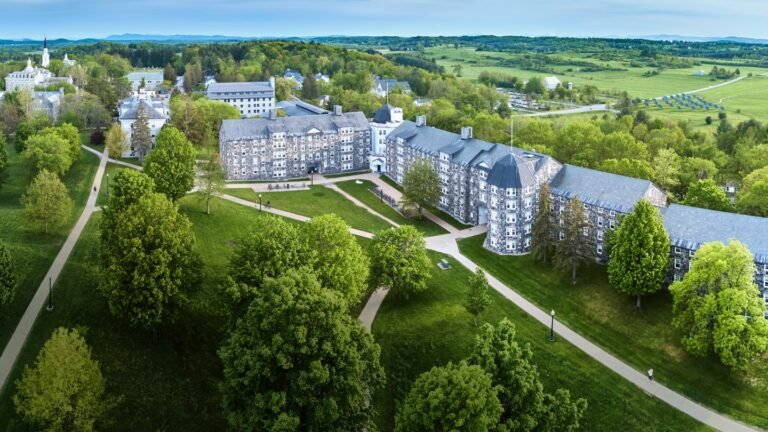
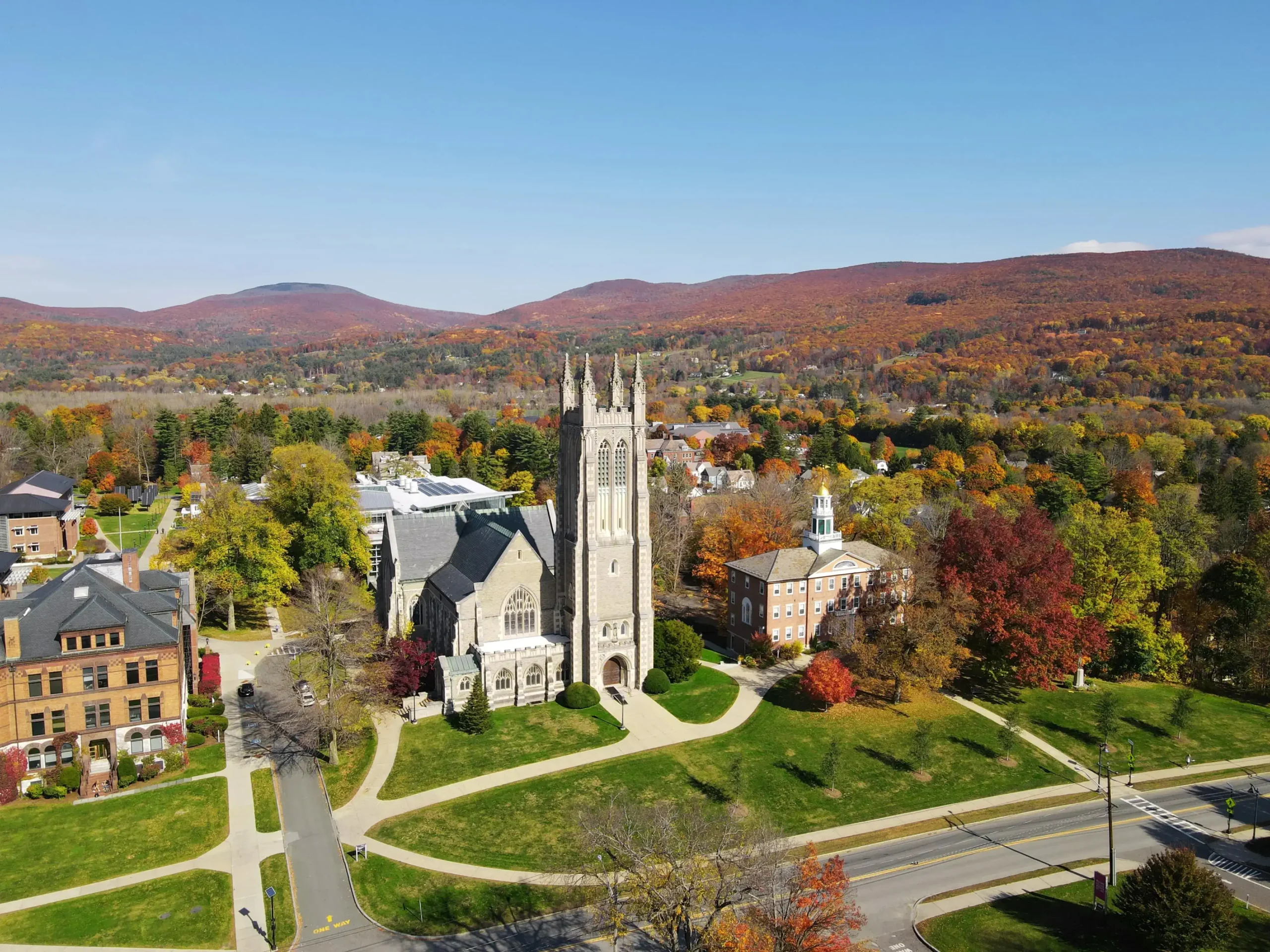
Williams College is located in Williamstown, Massachusetts, in the Berkshire region of western Massachusetts.
The geographic setting is one of the most distinctive aspects of the college.
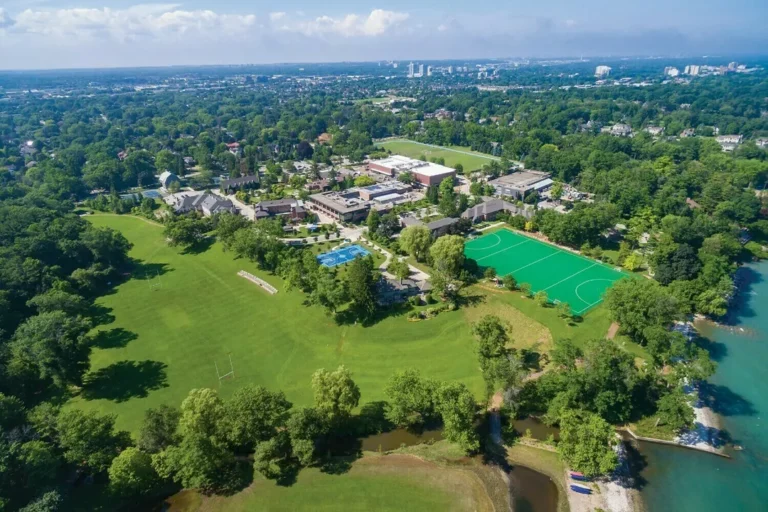
The campus is surrounded by natural scenery, including mountains and wooded landscapes. The Berkshire region is also known for cultural institutions, museums, outdoor recreation, and historic communities.
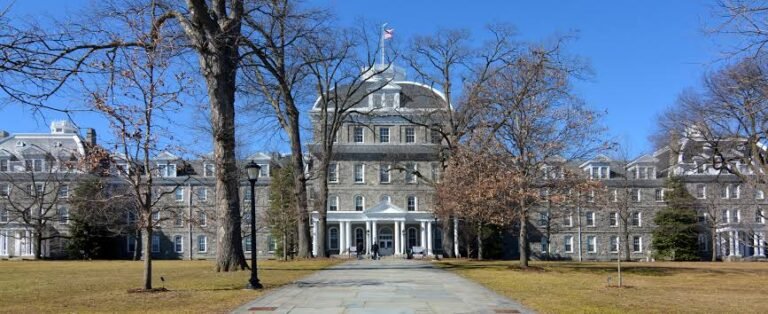
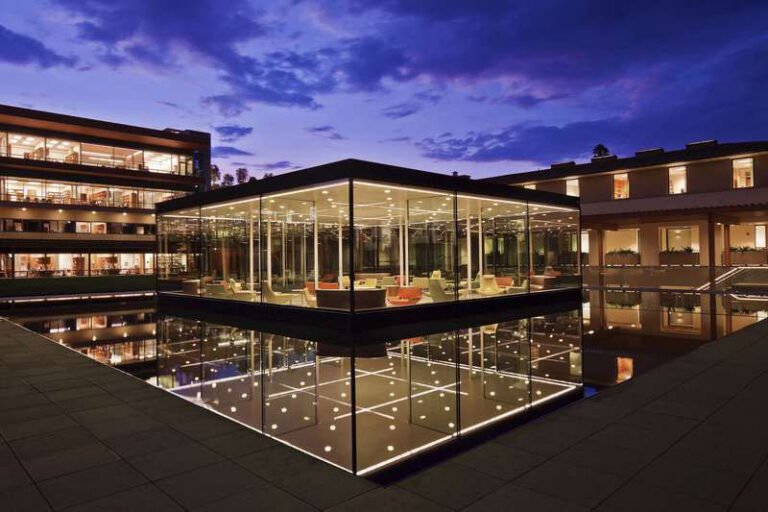
The campus itself combines historic architecture with modern academic and residential facilities.
Historic Buildings
As an institution founded in the eighteenth century, Williams has a significant collection of historic buildings and architectural traditions.
Historic campus buildings contribute to the visual identity of the college and connect current students with earlier generations.
At the same time, college campuses must continually adapt to modern educational requirements. Laboratories, libraries, technology facilities, student residences, performance spaces, and athletic facilities have developed over time.
Williamstown and the Berkshire Region
Williamstown is a small town in northwestern Massachusetts.
Its location provides a very different environment from large metropolitan universities.
Students can experience a close-knit community while also having access to the cultural and recreational opportunities of the Berkshires.
Outdoor activities can include hiking, skiing, cycling, and other seasonal recreation.
The region is also home to cultural organizations and museums.
The Clark Art Institute, located in Williamstown, is an important cultural institution in the area. Its collections and exhibitions provide opportunities for students and visitors interested in art and culture.
The nearby Massachusetts Museum of Contemporary Art, commonly known as MASS MoCA, is another major cultural destination in the broader region.
This combination of education, nature, and cultural activity contributes to the character of the Williams College experience.
Student Life at Williams College
College life involves much more than classroom learning.
At Williams, students participate in clubs, organizations, athletics, arts, community activities, publications, cultural groups, and social events.
The relatively small size of the institution allows many students to participate actively in campus life.
Student Organizations
Student organizations can cover many interests, including:
- Academic subjects
- Arts and music
- Cultural activities
- Community service
- Entrepreneurship
- Politics and civic engagement
- Student media
- Outdoor recreation
- Religious and philosophical interests
- Social organizations
Students can also create new organizations when they identify an interest that is not represented by an existing group.
Athletics at Williams College
Athletics have played an important role in the history of Williams College.
Williams competes in NCAA Division III athletics and is a member of the New England Small College Athletic Conference, commonly known as NESCAC.
The college supports numerous men’s and women’s varsity sports.
Athletics can contribute to student development by encouraging teamwork, discipline, leadership, communication, and time management.
In addition to varsity sports, students can participate in club and recreational activities.
The natural environment around Williamstown also creates opportunities for outdoor activities.
Arts and Cultural Life
The arts are another important part of the Williams College community.
Students can participate in theatre, music, visual arts, dance, writing, film, and other creative activities.
Campus performances and exhibitions provide opportunities for students to share their work with the wider community.
Students studying subjects outside the arts can also participate in creative activities.
This reflects the broader liberal arts philosophy that education should involve both analytical and creative thinking.
Libraries and Academic Resources
Libraries play an important role in undergraduate education.
Students need access to books, journals, databases, archival collections, digital resources, study spaces, and research support.
Williams College provides library resources that support academic research across multiple disciplines.
Libraries can also serve as collaborative spaces where students work together on projects or prepare for examinations.
For students writing research papers, librarians can provide guidance on finding credible sources, evaluating information, organizing research, and using academic databases.
Research Opportunities
Although Williams is primarily an undergraduate institution, research can be an important component of the student experience.
Students may work with faculty on research projects during the academic year or through summer programs.
Undergraduate research can introduce students to the methods used in academic disciplines.
A biology student, for example, might conduct laboratory research.
A history student might work with archival documents.
An economics student might analyze data.
A literature student might conduct close textual research.
These experiences can help students understand how knowledge is created and evaluated.
Research experience can also be useful for students considering graduate or professional education.
Study Abroad Opportunities
International education can broaden students’ understanding of different societies and cultures.
Williams students may have opportunities to study outside the United States through approved programs and international academic experiences.
Study abroad can involve language learning, cultural immersion, field research, university coursework, internships, or community engagement.
For students studying international relations, languages, history, economics, environmental studies, or other globally oriented subjects, international experiences can complement classroom education.
Admissions to Williams College
Admission to Williams College is highly selective.
Applicants generally need to demonstrate strong academic preparation as well as intellectual interests, extracurricular engagement, personal qualities, and other aspects of their educational background.
The admissions process considers the applicant as a whole rather than focusing exclusively on a single number.
Important components may include:
- Academic record
- Course selection
- Essays
- Recommendations
- Extracurricular activities
- Personal experiences
- Standardized testing where applicable
- School context
- Achievements and interests
Because admissions policies can change, prospective students should consult the official Williams College admissions website for current requirements, deadlines, testing policies, and application instructions.
Applying to Williams College
Students interested in applying should begin preparing well before application deadlines.
A strong preparation process can include:
- Researching the college.
- Reviewing academic requirements.
- Selecting challenging courses appropriate for the student’s school.
- Developing meaningful extracurricular interests.
- Preparing application essays.
- Requesting recommendation letters.
- Organizing academic information.
- Reviewing financial aid requirements.
- Checking deadlines carefully.
- Proofreading the final application.
Applicants should present accurate information and focus on explaining their genuine academic and personal interests.
International Students at Williams College
Williams College welcomes students from different countries and educational backgrounds.
International applicants may face additional requirements depending on their educational system and circumstances.
These may include English-language proficiency documentation, translated academic records, financial documentation, visa-related procedures, and other materials.
International students can contribute to campus diversity by bringing perspectives shaped by different educational systems, cultures, languages, and communities.
Students applying from outside the United States should always consult the college’s official international admissions and financial aid information because policies and requirements can change.
Financial Aid at Williams College
The cost of attending a private U.S. college can be significant.
Financial aid can therefore play an important role in college access.
Williams College has a substantial financial aid program and provides need-based assistance to eligible students.
Financial aid may involve grants, scholarships, work opportunities, loans, or combinations of these depending on the student’s circumstances and applicable policies.
Students and families should review the latest official financial aid information rather than relying on old figures because tuition, fees, policies, and eligibility requirements can change.
International students should also carefully review the specific financial aid policies that apply to international applicants.
Scholarships and Financial Planning
Students should approach college financial planning carefully.
Families may need to consider:
- Tuition
- Housing
- Food
- Books
- Transportation
- Health-related costs
- Personal expenses
- Travel
- Technology requirements
Applicants should complete required financial aid forms accurately and before the relevant deadlines.
External scholarships may also be available from foundations, community organizations, educational groups, professional associations, and other organizations.
Diversity and Community
Modern colleges serve students from increasingly diverse backgrounds.
Williams College has continued to develop programs and initiatives related to inclusion, community, cultural understanding, and student support.
A diverse academic community can expose students to different experiences and perspectives.
Classroom discussion, residential life, student organizations, and campus events can all contribute to this process.
The experience of diversity varies from student to student, and institutional programs can change over time.
Residential Life
Living on campus is an important part of the undergraduate experience at a residential liberal arts college.
Residential communities allow students to develop friendships and participate in activities outside the classroom.
Students may study together, eat together, attend campus events, participate in organizations, and support one another academically and socially.
Residential life can also teach practical skills such as communication, cooperation, independence, and conflict resolution.
Dining and Campus Services
College students need reliable food and support services as part of daily campus life.
Campus dining provides students with convenient meal options while also serving as an important social space.
Other student services can include academic advising, health and wellness resources, career development, counseling services, accessibility support, technology services, and student activities.
The availability and structure of these services may change over time, so students should consult official college resources for current details.
Career Development
A liberal arts education can prepare students for many different career directions.
Williams graduates enter fields including:
- Business
- Education
- Law
- Medicine
- Technology
- Government
- Nonprofit organizations
- Journalism
- Finance
- Science
- Arts and culture
- Research
- Entrepreneurship
Career services can help students identify internships, employment opportunities, networking resources, and graduate education pathways.
The value of a liberal arts education often comes from transferable skills such as critical thinking, writing, communication, research, adaptability, and problem-solving.
Notable Williams College Alumni
Williams College has educated graduates who have contributed to many areas of public life, business, science, literature, education, government, and the arts.
The alumni community includes individuals who have worked in different professional and cultural fields.
Alumni networks can provide current students with opportunities for mentorship, professional connections, career advice, and internships.
The long history of the institution means that Williams alumni are found across generations and industries.
Williams College Traditions
Traditions help connect generations of students.
College traditions can include ceremonies, athletic events, alumni gatherings, student organizations, campus celebrations, and informal customs.
Some traditions evolve over time while others disappear as student culture changes.
The continuity of traditions can create a sense of institutional history and belonging.
The Role of Community
One of the defining ideas of a small liberal arts college is community.
Students often interact with professors, classmates, administrators, coaches, alumni, and staff members in a relatively compact environment.
This can make academic and extracurricular relationships an important part of the educational experience.
Students can learn from one another as well as from formal coursework.
A classroom discussion, residence hall conversation, student organization meeting, research project, or athletic practice may all contribute to a student’s education.
Environmental Setting and Outdoor Opportunities
The Berkshires provide a distinctive natural environment.
Students interested in outdoor activities can take advantage of the surrounding mountains, forests, trails, and seasonal recreation.
Outdoor experiences can also complement academic interests.
For example, environmental studies students may be particularly interested in the relationship between communities and natural ecosystems.
The region’s seasons create different recreational possibilities throughout the academic year.
Why Williams College Has a Liberal Arts Identity
Williams College’s identity is strongly connected to the liberal arts tradition.
A liberal arts education encourages students to avoid becoming narrowly focused too early.
Instead, students can develop broad knowledge while gaining substantial depth in their chosen academic fields.
This approach can be particularly useful in a rapidly changing economy.
Technologies, industries, and job roles can change significantly over time. Skills such as writing, reasoning, communication, research, and learning how to learn can remain useful across different professional environments.
The Importance of Writing
Writing is central to many liberal arts disciplines.
Students may write:
- Research papers
- Analytical essays
- Laboratory reports
- Policy papers
- Literary analyses
- Senior projects
- Presentations
- Creative work
Strong writing requires more than grammar.
Students must develop arguments, organize evidence, understand sources, and communicate ideas clearly.
These abilities can be valuable in almost every profession.
Critical Thinking and Discussion
Critical thinking is another major element of liberal arts education.
Students are encouraged to examine evidence and question assumptions.
A classroom discussion may involve competing interpretations of the same historical event, scientific evidence, literary passage, economic theory, or political issue.
Students learn to explain their reasoning while listening to other perspectives.
The goal is not simply to memorize information but to understand how knowledge and arguments are constructed.
Technology and Modern Education
Although Williams has a long history, its students participate in a modern technological environment.
Digital research databases, online learning resources, computing tools, laboratory technologies, communication platforms, and specialized software are increasingly important in higher education.
Technology can support traditional liberal arts learning while also creating new interdisciplinary opportunities.
For example, students may combine computer science with economics, digital humanities with history, data analysis with political science, or computational methods with scientific research.
Entrepreneurship and Innovation
Entrepreneurship has become increasingly relevant to students across liberal arts institutions.
Students may develop ideas for businesses, nonprofit organizations, social initiatives, digital projects, or creative ventures.
A liberal arts background can contribute to entrepreneurship by providing skills in communication, research, analysis, creativity, and understanding human behavior.
Students interested in entrepreneurship can also benefit from alumni networks and interdisciplinary collaboration.
Community Engagement and Public Service
Many college students are interested in contributing to communities beyond campus.
Community engagement can include volunteering, tutoring, nonprofit work, public service, environmental projects, educational programs, and other activities.
These experiences can connect academic knowledge with practical problems.
For example, a student studying economics might explore economic development, while a student studying environmental science might participate in conservation-related activities.
Graduate and Professional Education
Williams graduates may continue their education after completing their undergraduate degrees.
Possible pathways include:
- Law school
- Medical school
- Graduate research
- Business school
- Education programs
- Public policy
- Engineering
- Social work
- Arts and humanities graduate programs
The preparation required for each path differs.
Students considering graduate education should begin researching requirements early and seek advice from faculty and career advisers.
Academic Advising
Academic advising helps students make decisions about courses, majors, research, internships, and future plans.
Because college students often enter with interests that change over time, advising can be particularly important during the first years.
A student may arrive planning to study one field and later discover another subject through an introductory course.
The liberal arts model gives students space to explore these possibilities.
First-Year Experience
The first year of college can involve significant adjustment.
Students must adapt to:
- New academic expectations
- Independent study
- Residential life
- Time management
- New friendships
- Extracurricular activities
- Greater personal responsibility
Williams provides an environment in which students can begin this transition within a relatively close academic community.
First-year programs, orientation activities, advising, and peer relationships can help students understand college life.
Challenges of Attending a Small Liberal Arts College
Every educational environment has advantages and limitations that may matter differently to different students.
A small liberal arts college may provide a close community, but some students may prefer the scale of a large research university.
Similarly, a residential rural or small-town setting may appeal to students who enjoy nature and community life, while students seeking a major metropolitan environment may prefer an urban institution.
Academic specialization can also differ.
A student interested in highly specialized professional programs should compare the available offerings carefully.
The right college environment depends on individual academic interests, financial circumstances, lifestyle preferences, and long-term goals.
Williams College Compared With Large Universities
Large universities often provide:
- Larger student populations
- Extensive graduate programs
- Numerous professional schools
- Large research operations
- More specialized facilities
- Urban or suburban environments in many cases
A liberal arts college such as Williams emphasizes undergraduate education within a smaller academic community.
Neither model is identical.
Students should compare institutions based on factors such as academic programs, class environment, research opportunities, location, cost, financial aid, campus culture, and career goals.
How to Prepare for Williams College
Students interested in Williams can prepare by building a strong academic foundation.
Useful steps include:
1. Take Appropriate Challenging Courses
Students should pursue rigorous courses available at their schools while maintaining a healthy and sustainable workload.
2. Develop Genuine Interests
Admissions applications can communicate more effectively when extracurricular activities reflect genuine interests rather than simply a long list of activities.
3. Read Widely
Reading books, essays, journalism, scientific articles, and other materials can improve vocabulary, knowledge, analytical skills, and writing.
4. Practice Writing
Strong writing can help with essays, research projects, and application materials.
5. Research the College
Applicants should learn about academic departments, student life, campus traditions, financial aid, and admissions policies.
6. Check Official Deadlines
Application deadlines can vary by applicant type and admission plan.
What Students Can Learn at Williams
The educational experience at Williams can involve several interconnected forms of learning.
Students learn subject-specific knowledge through courses.
They develop analytical skills through research and discussion.
They develop communication skills through writing and presentations.
They develop social skills through residential and extracurricular life.
They can develop leadership through student organizations and community activities.
Together, these experiences can contribute to a broad undergraduate education.
Williams College and the Future of Liberal Arts
Higher education continues to change because of technology, economic transformation, demographic changes, and evolving career requirements.
Liberal arts colleges are therefore examining how traditional educational models can respond to contemporary challenges.
Subjects such as artificial intelligence, data science, climate change, public health, global politics, and digital culture increasingly cross traditional disciplinary boundaries.
The liberal arts model can respond to these changes by encouraging students to connect different fields.
The future of liberal arts education will likely involve both traditional academic disciplines and new interdisciplinary approaches.
A Global Perspective
Although Williams College is located in Massachusetts, its academic community includes students and faculty with connections to many countries and regions.
Global perspectives can enter classrooms through international students, faculty research, study abroad, language courses, comparative studies, and global academic subjects.
Issues such as migration, climate change, international trade, global health, diplomacy, technology, and cultural exchange require students to understand societies beyond their immediate surroundings.
The Williams Alumni Network
An institution’s alumni community can remain important long after graduation.
Williams alumni can support current students through mentorship, professional networking, internships, career conversations, and alumni events.
Graduates also contribute to the institution through financial support, volunteer work, and participation in college programs.
For students, alumni networks can be especially valuable during career exploration.
Building a Successful College Experience
Students can make the most of a Williams education by combining academic work with exploration.
A successful college experience does not have to mean participating in every available activity.
Instead, students can identify a manageable group of activities that genuinely interest them.
They can build relationships with professors, collaborate with classmates, explore new subjects, participate in campus life, and take advantage of research and career resources.
Time management is essential because academic responsibilities and extracurricular opportunities can compete for attention.
Frequently Asked Questions About Williams College
What is Williams College?
Williams College is a private liberal arts college located in Williamstown, Massachusetts. Founded in 1793, it is an undergraduate-focused institution with programs across the humanities, social sciences, natural sciences, mathematics, and interdisciplinary fields.
Where is Williams College located?
Williams College is located in Williamstown in western Massachusetts, in the Berkshire region near the New York and Vermont borders.
When was Williams College founded?
Williams College was founded in 1793.
Is Williams College a university?
No. Williams College is a liberal arts college rather than a large comprehensive university.
What is Williams College known for?
Williams is known for its liberal arts education, undergraduate focus, residential campus environment, academic programs, faculty interaction, athletics, and location in the Berkshires.
What can students study at Williams College?
Students can study subjects across the humanities, social sciences, natural sciences, mathematics, computer science, arts, and interdisciplinary programs.
Does Williams College have athletics?
Yes. Williams participates in NCAA Division III athletics and competes in the New England Small College Athletic Conference.
Does Williams College accept international students?
Yes, international students can apply to Williams College. International applicants should review the college’s current admissions and financial aid requirements.
Is Williams College expensive?
The cost of attendance at private colleges can be substantial, but the actual amount a student pays depends on financial aid and individual circumstances. Students should check the latest official Williams College cost and financial aid information.
Does Williams College offer financial aid?
Yes. Williams provides financial aid according to its current institutional policies. Applicants should review the official financial aid information for current requirements and eligibility details.
What is student life like at Williams?
Student life includes academics, residential communities, athletics, arts, clubs, organizations, outdoor activities, community engagement, and social events.
Can Williams students participate in research?
Yes. Undergraduate students can have opportunities to participate in research and work with faculty, depending on the discipline and available programs.
Is Williams College good for liberal arts?
Williams is specifically organized around undergraduate liberal arts education. Students interested in broad interdisciplinary learning and close academic interaction may find its educational model relevant to their goals.
What is the campus environment like?
The campus is located in a small-town Berkshire setting surrounded by mountains and natural scenery. It combines historic facilities with modern academic and student resources.
Conclusion
Williams College has developed from a small institution founded in 1793 into a prominent liberal arts college with a long history of undergraduate education.
Its identity is shaped by several interconnected features: a broad liberal arts curriculum, a residential campus, faculty-student interaction, research opportunities, athletics, arts, community engagement, and its distinctive Berkshire location.
For students considering Williams, the most important step is to examine the institution in relation to their own academic interests, financial circumstances, preferred campus environment, extracurricular goals, and future plans.
Prospective students should consult official Williams College resources for the latest information about admissions, tuition, financial aid, academic programs, campus policies, and application deadlines because these details can change.
Williams College’s history demonstrates how an educational institution can evolve over more than two centuries while maintaining a strong emphasis on undergraduate learning. Its continuing role in American higher education reflects the enduring idea that a broad education can prepare students to think critically, communicate effectively, explore different fields, and adapt to a changing world.
For anyone researching leading liberal arts colleges in the United States, Williams College provides an important example of the American residential liberal arts tradition and its continuing place in modern higher education.