Wellesley College: History, Academics, Campus, Student Life, Admissions, Research, and Global Impact
Introduction
Wellesley College is one of the best-known liberal arts colleges in the United States and has a long history of providing higher education to women. Located in Wellesley, Massachusetts, about 12 miles west of Boston, the private nonprofit college combines a residential liberal arts education with research opportunities, international experiences, leadership development, and a strong alumnae community. Wellesley’s official mission is to provide an excellent liberal arts education to women who will make a difference in the world. Its motto, “Non Ministrari sed Ministrare,” translates as “Not to be ministered unto, but to minister.” (Wellesley)
Founded in 1870 by Pauline and Henry Fowle Durant, Wellesley was established at a time when opportunities for women to pursue advanced education were considerably more limited than they are today. The founders believed that women deserved an education comparable in rigor and ambition to that available to men. The College opened its doors in September 1875 with 314 students. (Wellesley)
Over the following 150 years, Wellesley developed from a pioneering institution into a major liberal arts college with a global community of alumnae. Its graduates have entered fields including science, medicine, law, education, government, journalism, business, technology, arts, and public service. The College celebrated its 150th anniversary during 2025–2026, providing an opportunity to reflect on its historical foundations while considering its future. (Wellesley)
This article explores Wellesley College in detail, including its history, founding philosophy, academic programs, campus, student experience, research opportunities, admissions, financial aid, international community, traditions, museums and gardens, and the continuing influence of its alumnae.
1. The History of Wellesley College
The history of Wellesley College begins in the nineteenth century, when American higher education was undergoing major changes. Colleges and universities were expanding, but access to advanced education was still strongly influenced by gender, wealth, geography, and social expectations.
Pauline and Henry Fowle Durant believed that education could play a major role in expanding opportunities for women. Their vision eventually resulted in the creation of Wellesley College.
The Massachusetts legislature incorporated the institution in 1870. At that time, it was initially known as the Wellesley Female Seminary. By 1873, Henry Durant had transferred land to the institution, with the intention that it would permanently support a college for the education of women. The College opened its doors in 1875. (Wellesley)
The first class consisted of 314 students. This was an ambitious beginning for a new institution devoted to women’s higher education. The founders wanted Wellesley to provide more than basic instruction. They envisioned an academically demanding institution capable of developing women’s intellectual abilities and preparing them to participate actively in society. (Wellesley)
The first president was Ada Howard. The original faculty included women as well as men, but women played a particularly important role in the early educational structure of the College. Wellesley’s founding represented a significant statement about women’s intellectual capabilities and their potential contributions to society. (Wellesley)
2. The Founders: Pauline and Henry Durant
Henry Fowle Durant was a lawyer who eventually became deeply involved in religious and educational work. His wife, Pauline Durant, shared his interest in education and the development of opportunities for women.
According to Wellesley College archival materials, the Durants originally acquired a large estate near Lake Waban. After personal tragedies and Henry Durant’s increasing religious commitment, the couple decided to dedicate their property and resources to the education of women. (archives.wellesley.edu)
Their educational philosophy was ambitious for the period. They did not simply want to create a finishing school. They wanted women to receive a rigorous intellectual education.
The founding philosophy can be understood through the College’s continuing emphasis on developing students’ intellectual abilities, independence, leadership, and commitment to service.
The College’s motto reflects this philosophy:
Non Ministrari sed Ministrare — “Not to be ministered unto, but to minister.”
The motto expresses the idea that education should be connected with service and responsibility rather than personal advantage alone. (Wellesley)
3. Wellesley’s Early Educational Mission
Wellesley opened during a period when women’s colleges were beginning to play an important role in American higher education.
The founders believed that women could benefit from an education as rigorous as that available to male students. Wellesley’s curriculum therefore emphasized intellectual development across multiple disciplines.
The original institution included subjects associated with the liberal arts, sciences, languages, literature, history, mathematics, and the arts.
The concept of a broad education remains central to Wellesley today. Rather than focusing exclusively on narrow professional training, the College emphasizes the study of multiple fields and encourages students to connect ideas across disciplines.
This approach has remained one of the defining characteristics of the institution.
4. Wellesley College and Women’s Education
Women’s education is fundamental to Wellesley’s identity.
The College was created around the idea that women should have access to high-level education and the intellectual opportunities associated with it. Over time, this founding principle became connected with broader questions about women’s participation in public life, professional careers, research, government, business, education, and culture.
Wellesley describes its mission as educating women who will make a difference in the world. (Wellesley)
This mission has influenced the College’s curriculum, extracurricular activities, research programs, career services, and alumnae network.
Wellesley students study subjects ranging from physics and mathematics to economics, political science, history, computer science, languages, literature, neuroscience, environmental studies, and the arts.
5. The Development of Wellesley Through the Twentieth Century
During the twentieth century, Wellesley expanded academically and physically.
The College developed new academic departments, libraries, laboratories, residential facilities, arts facilities, athletic resources, and research opportunities.
As women’s roles in American society changed, Wellesley’s educational mission also evolved.
Its graduates entered increasingly diverse professions. Women educated at Wellesley participated in academic research, journalism, medicine, law, public administration, politics, business, science, arts, and social organizations.
The institution therefore became not only a place of undergraduate education but also a significant community of women whose careers extended far beyond the campus.
6. Wellesley’s Liberal Arts Philosophy
The liberal arts are at the heart of Wellesley’s academic model.
A liberal arts education encourages students to explore different areas of knowledge rather than concentrating exclusively on one professional subject.
At Wellesley, students can explore more than 50 departments and programs and have access to more than 1,000 courses. The College emphasizes both breadth and depth, allowing students to develop knowledge across multiple disciplines while gaining specialized understanding in their chosen areas. (Wellesley)
This model can help students develop skills such as:
- Critical thinking
- Analytical reasoning
- Research
- Writing
- Communication
- Quantitative reasoning
- Collaboration
- Problem-solving
- Intellectual curiosity
- Cross-cultural understanding
These skills can be useful across many different professions.
7. Academic Programs at Wellesley
Wellesley offers a wide variety of undergraduate academic programs.
Students can explore humanities, social sciences, natural sciences, mathematics, computer science, interdisciplinary programs, and the arts.
The College’s academic structure allows students to build individualized educational paths.
For example, a student interested in science might study chemistry or biochemistry while also exploring philosophy or political science. A student interested in public policy might combine economics with political science and history. A student interested in technology might explore computer science alongside mathematics, cognitive science, or another discipline.
This interdisciplinary approach is one of the strengths of the liberal arts model.
8. The Classroom Experience
Wellesley places significant emphasis on interaction between students and professors.
According to the College’s academic information, typical class sizes are around 17 to 20 students, while the student-faculty ratio is approximately 7:1 on its current academics page. (Wellesley)
Small classes can create opportunities for discussion and direct participation.
Instead of simply listening to lectures, students may be expected to:
- Ask questions
- Analyze readings
- Present research
- Participate in seminars
- Write essays
- Work on group projects
- Conduct laboratory experiments
- Debate ideas
- Develop independent arguments
The goal is to make students active participants in the educational process.
9. Research Opportunities
Research is an important part of the Wellesley experience.
Students can participate in research with faculty members in areas including science, social sciences, humanities, and interdisciplinary fields.
Research opportunities can introduce students to the process of asking questions, gathering evidence, analyzing information, and communicating conclusions.
For students planning to pursue graduate or professional education, undergraduate research can also provide experience in academic inquiry.
Research at a liberal arts college can be particularly valuable because undergraduate students may have substantial opportunities to work directly with faculty.
10. Science and Technology at Wellesley
Although Wellesley is widely associated with the liberal arts and humanities, science and technology are also important components of its curriculum.
The College’s campus includes a Science Complex featuring laboratories, an observatory, sustainable laboratories, and a makerspace. (Wellesley)
Students interested in scientific disciplines can study areas such as:
- Biology
- Chemistry
- Physics
- Mathematics
- Computer science
- Neuroscience
- Biochemistry
- Environmental science
The combination of scientific education and liberal arts can allow students to consider scientific questions within broader social, ethical, historical, and cultural contexts.
11. History as an Academic Discipline
History has a particularly strong place in a liberal arts education.
Wellesley’s History Department covers many regions and periods of the human past. Students examine subjects including government, war, culture, race, economics, and social change. (Wellesley)
Historical study requires students to work with evidence and understand how societies change over time.
Students may analyze:
- Primary documents
- Letters
- Newspapers
- Government records
- Photographs
- Books
- Oral histories
- Scholarly research
The department emphasizes close analysis of primary sources and engagement with existing scholarship. (Wellesley)
These skills can prepare graduates for careers in journalism, law, education, publishing, business, finance, and other fields.
12. Art and the Davis Museum
Wellesley also has a long tradition of supporting art education.
The Davis Museum traces its origins to the dedication of the Farnsworth Art Building in 1889. Its collections had roots going back to the founding years of the College, when Henry Durant began acquiring original works and reproductions for educational purposes. (Wellesley)
Art was integrated into Wellesley’s curriculum from its early years.
The College introduced the teaching of art history in 1885, making Wellesley one of the early American colleges to offer the subject. (Wellesley)
The museum continues to serve as an educational resource for students and the broader community.
Museums can make classroom learning more tangible because students can examine actual works rather than relying exclusively on photographs or written descriptions.
13. Wellesley Botanic Gardens
Another distinctive feature of the Wellesley campus is its botanical tradition.
The Wellesley College Botanic Gardens have roots extending back to the College’s founding period. In 1875, the Durants made greenhouse collections available to students, and the first Botany course was held the following year. (Wellesley)
The gardens provide opportunities for:
- Plant study
- Environmental education
- Research
- Public programming
- Horticulture
- Outdoor learning
This history demonstrates how science and the natural environment have been integrated into Wellesley’s educational identity from an early period.
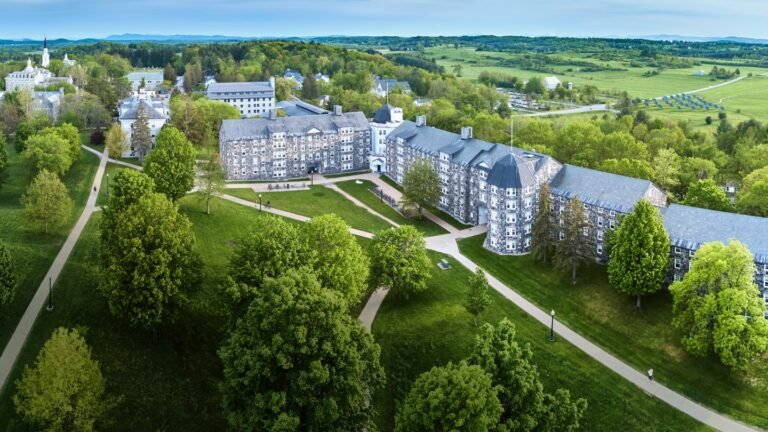
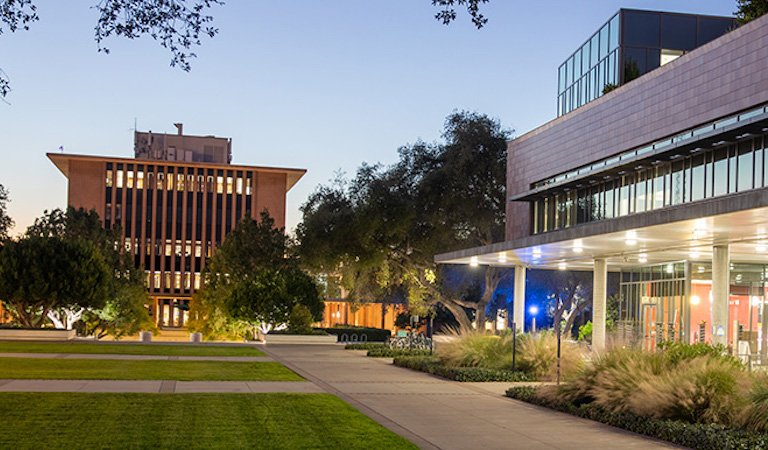
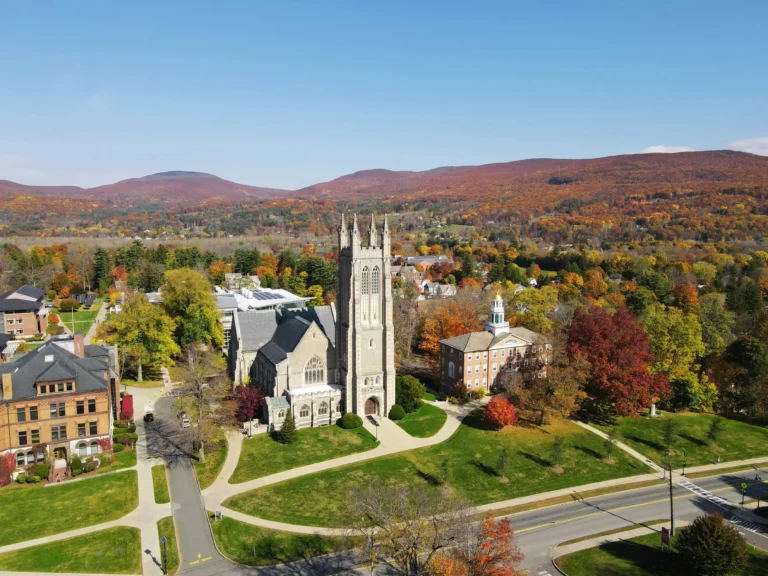
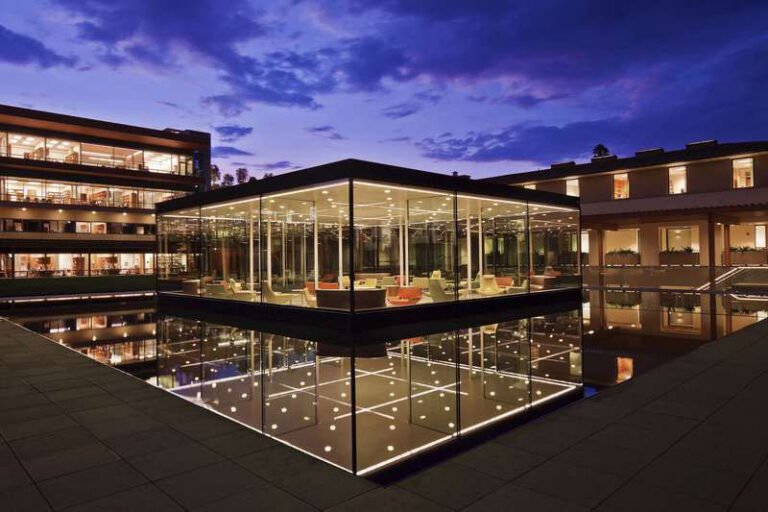
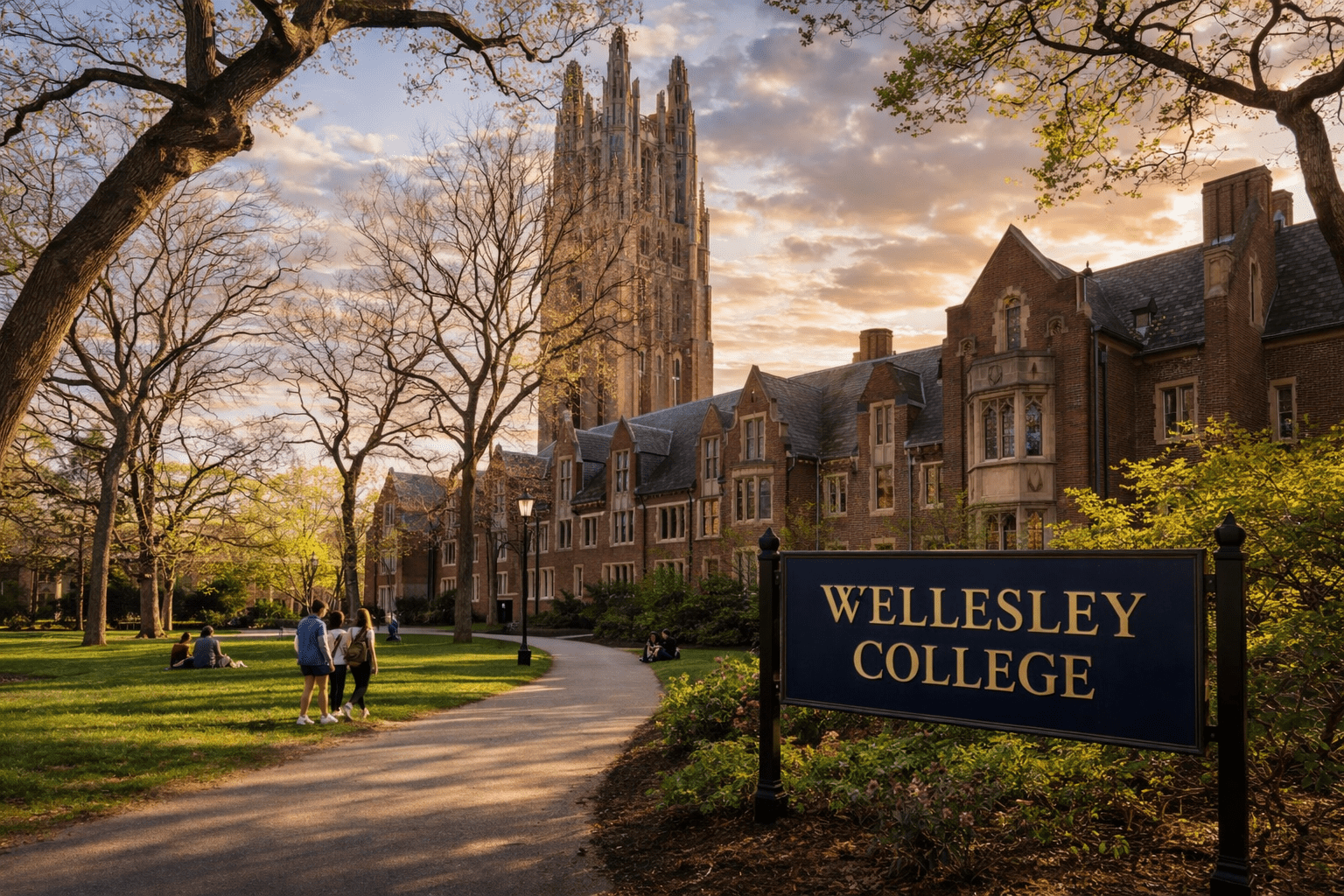
14. The Wellesley Campus
Wellesley’s campus is located in Wellesley, Massachusetts.
The College describes its campus as approximately 500 acres and highlights its proximity to Boston and Cambridge. (Wellesley)
The campus includes:
- Academic buildings
- Residence halls
- Libraries
- Science facilities
- Art facilities
- Athletic spaces
- Gardens
- Natural landscapes
- Student gathering spaces
Lake Waban is another defining geographical feature of the campus.
The combination of academic buildings, green spaces, gardens, and natural areas contributes to Wellesley’s residential college environment.
15. Wellesley and the Boston Area
One of Wellesley’s advantages is its location near Boston.
Boston is one of America’s major centers for higher education, medicine, science, culture, technology, and business.
Cambridge, located across the Charles River from Boston, is also home to major universities and research institutions.
Wellesley’s proximity to these communities can create opportunities for students beyond the College’s own campus.
Students may have access to:
- Museums
- Libraries
- Cultural organizations
- Research institutions
- Professional events
- Internships
- Academic programs
- Conferences
The College describes the relationship as combining the residential campus experience with access to the Boston and Cambridge academic and cultural environment. (Wellesley)
16. Student Life at Wellesley
Student life at Wellesley extends beyond classroom learning.
Students participate in clubs, organizations, athletic activities, artistic programs, cultural events, academic societies, volunteer work, and community initiatives.
Because Wellesley is a residential college, students spend substantial time interacting with their peers.
This can create a strong sense of community.
Student organizations allow students to explore interests that may not fit directly into their academic programs.
For example, students may participate in organizations related to:
- Arts
- Music
- Politics
- Culture
- Science
- Entrepreneurship
- Community service
- Journalism
- Athletics
- Student government
17. Wellesley’s Alumnae Community
One of Wellesley’s most recognizable features is its alumnae network.
The College has educated generations of women who have gone into different professional and public fields.
Wellesley describes its alumnae as a community that supports new generations of students and graduates. (Wellesley)
An alumnae network can provide:
- Mentoring
- Career connections
- Professional advice
- Networking
- Internships
- Community events
- Personal support
For students beginning professional careers, connections with graduates can be particularly valuable.
18. Wellesley Graduates and Public Life
Throughout its history, Wellesley graduates have entered prominent positions in many areas.
The College highlights alumnae who have become scientists, environmental leaders, U.S. secretaries of state, civil rights activists, business leaders, journalists, artists, and other professionals. (Wellesley)
The importance of this history is not simply the number of prominent individuals.
It also demonstrates the variety of careers available to graduates of a liberal arts institution.
A Wellesley education does not train students for only one occupation. Instead, it can provide a broad intellectual foundation that graduates use in different professional environments.
19. Admission to Wellesley College
Admission to Wellesley is selective.
The College accepts applications through the Common Application, Coalition Application, and QuestBridge Application. Wellesley states that applying is free. (Wellesley)
The College uses a holistic, committee-based admission process.
According to Wellesley’s current admission information, applicants are considered in the context of their available resources and experiences. The College also emphasizes demonstrated writing and quantitative skills as important indicators for success in its curriculum. (Wellesley)
Applicants should therefore consider the overall strength of their academic preparation rather than focusing on one single number.
20. Standardized Testing
Wellesley has continued its test-optional policy for students applying for entry in fall 2027.
The College reports that approximately 45 percent of enrolling first-year students chose to apply without standardized test scores after test-optional practices were introduced. (Wellesley)
Students who choose to submit scores can include them as part of their application.
However, applicants should always check the official Wellesley admissions website for the requirements applicable to their specific admission year because policies and deadlines can change.
21. International Students
Wellesley welcomes applicants from around the world.
The College’s admissions information includes international applicants and provides application guidance for students completing secondary education outside the United States. (Wellesley)
An international student considering Wellesley should carefully review:
- Academic requirements
- English-language requirements
- Application deadlines
- Financial aid
- Required documents
- Visa requirements
- Testing policies
- School-specific application questions
International students can contribute different cultural perspectives to classroom discussions and campus life.
22. Diversity and Community
Wellesley emphasizes an educational environment involving people with different backgrounds, experiences, and perspectives.
The College’s admissions materials state that it seeks to provide students with opportunities to flourish regardless of characteristics such as race, ethnicity, religion, nationality, and physical ability. (Wellesley)
A diverse educational environment can enrich discussions because students bring different experiences to academic and social conversations.
Wellesley’s emphasis on bridge-building is also reflected in its application process, which asks applicants to discuss experiences working with people from backgrounds or perspectives different from their own. (Wellesley)
23. Financial Aid at Wellesley
Affordability is an important part of Wellesley’s current educational strategy.
The College states that it is one of the few colleges offering need-blind admission for U.S. citizens and permanent residents and that it meets 100 percent of calculated financial need for admitted students. (Wellesley)
Wellesley has also announced a tuition-free initiative beginning in fall 2027 for students whose families have total annual income of $200,000 or less with typical assets. (Wellesley)
Financial-aid policies can change, so prospective students should consult the College’s current financial-aid information before making decisions.
24. Wellesley and Leadership
Leadership is an important theme in Wellesley’s identity.
The College’s motto connects education with service, while its mission focuses on women who will make a difference in the world. (Wellesley)
Leadership at Wellesley can take many forms.
It may involve:
- Running a student organization
- Conducting research
- Working with a community organization
- Starting a project
- Participating in public service
- Building a business
- Working in government
- Becoming a teacher
- Developing scientific research
- Creating art
- Advocating for a community
This broad definition allows students to understand leadership as responsibility and contribution rather than simply holding a formal title.
25. Internships and Career Development
Career preparation is another important component of the Wellesley experience.
According to Wellesley’s published facts, more than 90 percent of students participate in at least one internship while at the College, and the College’s Career Education program provides internship stipends to hundreds of students annually. (Wellesley)
Internships can help students connect academic learning with professional environments.
A student studying economics, for example, might explore finance or consulting. A biology student might work in a laboratory. A history student might explore journalism, museums, education, or public policy.
Such experiences can help students better understand possible career paths.
26. Study Abroad and Global Education
Wellesley has a strong international dimension.
The College reports that students have studied abroad or completed internships and fellowships in more than 40 countries. (Wellesley)
International education can expose students to:
- Different cultures
- Different education systems
- International politics
- Languages
- Global economics
- Environmental challenges
- International development
- Global health
- Cross-cultural communication
For students interested in international careers, such experiences can complement classroom learning.
27. Wellesley and Social Change
Wellesley’s history is closely connected to the idea that education can contribute to social change.
The founders established the College because they believed that women deserved opportunities to develop their intellectual capacities.
That founding principle developed over time as Wellesley graduates entered public life and professional fields.
The College’s current materials continue to describe education as a means of preparing students to make a difference in the world. (Wellesley)
Social change can involve many areas, including science, education, environmental protection, business, law, government, public health, technology, and cultural work.
28. The Importance of a Women’s College
Wellesley’s identity as a women’s college is central to its history.
Women’s colleges have historically provided environments where women could pursue advanced education during periods when many institutions offered fewer opportunities to them.
At Wellesley, the educational environment has been shaped around the academic development and leadership of women.
The College’s current admissions information also explains that prospective applicants should review its gender policy before applying. (Wellesley)
For students considering a women’s college, questions about campus culture, academic interests, community, leadership opportunities, and personal goals can all be important factors.
29. Wellesley’s Academic Culture
Academic culture at Wellesley emphasizes curiosity and intellectual engagement.
Students are encouraged to ask difficult questions and examine subjects from different perspectives.
A liberal arts environment can be particularly useful for students who have several interests and do not want their education restricted to one field.
For example, students can combine interests in:
- Science and philosophy
- Economics and environmental studies
- Computer science and linguistics
- Political science and history
- Psychology and neuroscience
- Art history and museum studies
- Mathematics and economics
Interdisciplinary learning can help students understand how different areas of knowledge interact.
30. The Role of Writing
Writing is an important part of a liberal arts education.
Students may write:
- Research papers
- Analytical essays
- Laboratory reports
- Policy papers
- Creative work
- Historical analysis
- Thesis projects
- Presentations
Strong writing can help students communicate complex ideas clearly.
Wellesley’s admission office specifically identifies demonstrated writing and quantitative skills as important indicators for success in its curriculum. (Wellesley)
31. Quantitative Skills
Although Wellesley is a liberal arts college, quantitative reasoning is also important.
Students can encounter mathematics and quantitative analysis in fields such as:
- Economics
- Computer science
- Biology
- Chemistry
- Physics
- Neuroscience
- Political science
- Psychology
- Environmental studies
The ability to interpret numbers, statistics, graphs, and evidence can be useful in academic and professional life.
32. The Residential Experience
Living on campus is an important part of many Wellesley students’ experience.
A residential college creates opportunities for students to interact outside formal classrooms.
Students can study together, participate in organizations, attend events, share meals, and develop friendships.
Residential life can also teach practical skills such as communication, collaboration, time management, and community responsibility.
33. Wellesley Traditions
Like many long-established colleges, Wellesley has traditions that connect current students with previous generations.
The College’s long history creates a strong sense of continuity.
One of the most distinctive aspects of this continuity is the relationship between current students and alumnae.
Traditions can provide students with a connection to the institution’s past while allowing each generation to create new experiences.
34. Wellesley’s 150th Anniversary
Wellesley celebrated its 150th anniversary during 2025–2026.
The College opened its doors to its first students on September 8, 1875. The anniversary therefore marked 150 years since the first class arrived. (Wellesley)
The celebration provided an opportunity to examine Wellesley’s history and consider its future.
The anniversary also emphasized the continuing importance of the founders’ original educational vision.
After 150 years, the College remains dedicated to educating women through a rigorous liberal arts program.
35. Wellesley in the Modern Era
Modern Wellesley combines its historical identity with contemporary academic opportunities.
Students today can study subjects that were unimaginable when the College opened, including computer science, modern neuroscience, advanced biotechnology, digital media, and contemporary environmental science.
At the same time, traditional liberal arts subjects such as history, literature, philosophy, mathematics, languages, and art remain important.
This combination allows Wellesley to maintain continuity while adapting to changing intellectual and professional environments.
36. The Future of Wellesley College
The future of Wellesley will involve balancing tradition and innovation.
The College must continue to respond to changes in:
- Technology
- Higher education
- Scientific research
- Globalization
- Employment
- Climate and environmental challenges
- Student needs
- Financial pressures
- New academic disciplines
At the same time, Wellesley’s core mission remains focused on liberal arts education and women who will contribute to society.
The institution’s ability to combine these priorities will shape its future.
37. Why Wellesley Is Historically Important
Wellesley’s historical importance comes from its role in expanding opportunities for women in higher education.
The College was established when American society had very different expectations for women.
Its founders believed that women should receive serious intellectual training.
Over the decades, thousands of women have studied at Wellesley and entered professional, academic, artistic, scientific, and public careers.
The institution therefore represents an important chapter in the history of American higher education.
38. Why Students Consider Wellesley
Students considering Wellesley may be attracted by several characteristics:
- Liberal arts education
- Small classes
- Close faculty interaction
- Research opportunities
- Women’s college environment
- International opportunities
- Strong alumnae network
- Location near Boston
- Arts and museum resources
- Scientific and technological facilities
- Internship opportunities
- Financial-aid programs
The importance of each factor depends on the individual student.
39. What Makes the Wellesley Experience Distinctive?
Wellesley’s identity comes from the combination of several elements rather than one single feature.
It is a historic women’s college, a liberal arts institution, a residential community, a research environment, and a global alumnae network.
Its campus provides access to academic resources while its location offers proximity to Boston and Cambridge.
Its curriculum encourages students to explore multiple fields.
Its history provides a strong connection to women’s education.
And its alumnae community extends the Wellesley experience beyond graduation.
40. Conclusion
Wellesley College has developed over 150 years from an ambitious nineteenth-century experiment in women’s higher education into a major liberal arts college.
Founded by Pauline and Henry Fowle Durant in 1870, Wellesley opened in 1875 with 314 students. From the beginning, its founders believed that women deserved rigorous intellectual education and opportunities to develop their talents. (Wellesley)
Today, Wellesley remains focused on liberal arts education. Its academic programs cover more than 50 departments and programs, while students have access to more than 1,000 courses and close interaction with faculty. (Wellesley)
The College’s campus combines academic buildings, science facilities, gardens, museums, athletic resources, and residential spaces. Its location near Boston and Cambridge also provides access to one of America’s most important academic and cultural regions. (Wellesley)
Wellesley’s influence extends beyond the classroom through research, internships, international education, student organizations, community engagement, and its extensive alumnae network.
The College’s motto, “Not to be ministered unto, but to minister,” captures a central idea that has remained part of its identity: education can be connected with responsibility, leadership, and service. (Wellesley)
For students interested in a rigorous liberal arts education within a women’s college environment, Wellesley offers a distinctive combination of history, academic breadth, research, community, and global opportunities.
Frequently Asked Questions About Wellesley College
1. When was Wellesley College founded?
Wellesley College was founded in 1870 by Pauline and Henry Fowle Durant. The College opened its doors to its first students in 1875. (Wellesley)
2. Where is Wellesley College located?
Wellesley College is located in Wellesley, Massachusetts, approximately 12 miles west of Boston. (Wellesley)
3. What is Wellesley’s motto?
Wellesley’s motto is “Non Ministrari sed Ministrare,” meaning “Not to be ministered unto, but to minister.” (Wellesley)
4. What type of college is Wellesley?
Wellesley is a private, nonprofit liberal arts college for women offering undergraduate bachelor’s degrees. (Wellesley)
5. Does Wellesley offer science programs?
Yes. Wellesley offers programs across the sciences, including areas such as biology, chemistry, physics, mathematics, computer science, neuroscience, and biochemistry.
6. Does Wellesley have research opportunities?
Yes. Students can participate in research opportunities across numerous academic disciplines, including research conducted with faculty.
7. Does Wellesley accept international students?
Yes. Wellesley welcomes applicants from around the world. (Wellesley)
8. Is Wellesley test optional?
For students applying for entry in fall 2027, Wellesley states that it will continue to be test optional. (Wellesley)
9. Does Wellesley provide financial aid?
Yes. Wellesley provides financial aid and states that it meets 100 percent of calculated financial need for admitted students. It has also announced a tuition-free initiative beginning in fall 2027 for qualifying families with annual income of $200,000 or less and typical assets. (Wellesley)
10. Does Wellesley offer study-abroad opportunities?
Yes. Wellesley reports that students have studied abroad or completed internships and fellowships in more than 40 countries. (Wellesley)
11. What is Wellesley known for?
Wellesley is particularly known for its liberal arts education, women’s education, rigorous academics, alumnae network, research opportunities, beautiful campus, and graduates working across many professional fields.
12. How old is Wellesley College?
As of 2026, Wellesley is 150 years old since its founding in 1870 and marked 150 years since opening its doors to students in 1875 during its 2025–2026 sesquicentennial celebration. (Wellesley)
SEO Title
Wellesley College: History, Academics, Admissions, Campus & Student Life
Meta Description
Explore Wellesley College in detail, including its history, founders, academic programs, campus, admissions, financial aid, research opportunities, student life, traditions, and global alumnae community.
Suggested SEO Keywords
Wellesley College, Wellesley College history, Wellesley University, Wellesley College admissions, Wellesley College academics, Wellesley College campus, Wellesley College Massachusetts, Wellesley College women, Wellesley College majors, Wellesley College acceptance, Wellesley College financial aid, Wellesley College international students, Wellesley College history and facts, Wellesley liberal arts college, best women’s colleges in USA